
Octobiz · Turnaround Management Germany
Turnaround Management Germany: Hands-On Recovery for Mid-Sized Companies
Reviewed by Oliver Herzog, Managing Partner, Octobiz · Last updated September 2026
Octobiz provides turnaround management in Germany for mid-sized companies under pressure: cash running short, margins turning negative, or a bank asking for a restructuring plan by a set date. We diagnose the crisis in 2–3 weeks, deliver a bankable restructuring plan 2–4 weeks after that, and put experienced C-level interim managers into the business to carry it out. We take operational responsibility rather than handing over a report, and we work on a success-fee basis.
What is turnaround management?
Turnaround management is the process of rescuing a company in financial or operational crisis: diagnosing the causes, stabilising liquidity, building a restructuring plan that lenders will accept, and implementing it. In Germany it usually runs alongside the legal deadlines of the Insolvency Code (InsO) and, where useful, the StaRUG restructuring framework.
If you want to know what the job looks like day to day, read what a turnaround manager actually does.
When German Companies Need Turnaround Management: The Legal Clock
A crisis rarely starts with an empty bank account. It usually begins as a strategic problem, becomes an earnings problem, then a liquidity problem, and only at the end a legal one. Each stage closes off options, and in Germany the law sets a hard limit on how long directors can wait once the last stage arrives. That is why the timing of turnaround management in Germany matters so much.
| Crisis stage | Typical warning signs | What to do |
|---|---|---|
| Strategic crisis | Products, markets or the business model are losing ground before it shows in the accounts | Diagnose early, while every option is still open |
| Earnings crisis | Raw material or energy costs push EBITDA negative; loan covenants are breached or close to it | Cost and operational restructuring; talk to lenders before they talk to you |
| Liquidity crisis | Debt service exceeds cash reserves; the bank asks for a restructuring plan within a fixed deadline | Immediate cash management and a bankable plan; StaRUG may be an option if illiquidity is impending |
| Insolvency | The company is illiquid or over-indebted | The Section 15a InsO filing clock is running; take German legal advice the same day |
Filing deadlines
Under Section 15a of the Insolvency Code, managing directors must file for insolvency no later than three weeks after the company becomes illiquid, and no later than six weeks after it becomes over-indebted. Missing the deadline can bring personal liability and criminal penalties.
The over-indebtedness test
Whether a company is over-indebted depends on a 12-month going-concern forecast. The 12-month horizon has applied again since 1 January 2024.
Earlier options
If illiquidity is impending, assessed over a 24-month horizon, a company can use the StaRUG preventive restructuring framework, or protective-shield or self-administration proceedings. These routes need German restructuring counsel.
How our turnaround management consulting works
Diagnosis & 13-week cash control (weeks 1–2)
We take control of liquidity, build a 13-week cash forecast and identify the root causes.
Stabilisation with lenders & suppliers
We agree standstills and revised terms, and give lenders a reporting cadence they can trust.
Restructuring & execution
We deliver a bank-ready restructuring plan and implement it hands-on, with interim executives where needed.
Handover & sustainable growth
We hand over to a strengthened management team with clear KPIs.
The pressure is real. German courts registered 24,064 company insolvencies in 2025, 10.3% more than in 2024 and the highest number since 2014 (Destatis, press release of 13 March 2026).
This section is general information, not legal advice. Reviewed September 2026. For your company’s situation, speak to a German insolvency or restructuring lawyer.
Our Turnaround Management Services in Germany
Our turnaround management services and turnaround management consulting in Germany cover the whole path from diagnosis to implementation, and we manage the assignment ourselves. That is the difference between consulting that ends with a slide deck and a mandate where the adviser is still there when the plan meets reality.
Turnaround Consulting: Crisis Diagnosis
We analyse liquidity and P&L with AI-assisted tools, map your stakeholders and establish what actually caused the crisis. Senior leadership judgement and data-driven analysis work side by side here. You receive a situation assessment and recommendations for action within 2–3 weeks.
Bankable Restructuring Plan
We build the emergency strategy, the restructuring concept and a communication plan for banks, investors and the board. The deliverable is a restructuring plan designed to be accepted by the people financing the business, completed within 2–4 weeks.
Interim Leadership and Chief Restructuring Officer
When the business needs someone to run the turnaround, we provide interim management: an experienced C-level executive, for example an interim COO or a chief restructuring officer (CRO). Our interim managers have carried their own P&L responsibility, and they can start immediately.
Operational Restructuring
Operational restructuring is where the plan turns into results. (For the wider picture, see what business restructuring means for a company.) We work on cost drivers, processes and working capital, from securing alternative sourcing when input costs spike to running a 90-day cost reduction programme on overhead and energy use. Every measure is tracked against KPIs for liquidity, EBITDA and revenue, and change management runs alongside so the organisation carries the changes rather than resisting them.
If your lenders require a formal IDW S6 opinion, or the company needs StaRUG or self-administration proceedings, you will need a German auditor or restructuring lawyer for that part of the work.
How a Turnaround Engagement Runs
01
First consultation
We look at the immediate liquidity position first.
02
Diagnosis, 2–3 weeks
Situation assessment and recommendations for action.
03
Restructuring plan, 2–4 weeks
A bankable plan for banks, investors and the board.
04
Implementation, 3–18 months
Operational execution, where needed under an interim mandate, measured against KPIs for liquidity, EBITDA and revenue.
Turnaround Consultant, Interim Manager or Insolvency Administrator?
These roles get mixed up, and in Germany some of them are appointed by a court rather than by you.
Role | What they do | When you need them | Who appoints them |
Turnaround consultant | Diagnoses the crisis and builds the restructuring plan | Earnings or liquidity crisis, before insolvency | The company’s management or shareholders |
Interim manager / CRO | Takes operational responsibility for a set period and implements the plan | Management lacks the capacity or experience to lead the turnaround | The company’s board or shareholders |
IDW S6 opinion author | Writes a formal restructuring opinion to the IDW S6 standard | Lenders require a formal opinion before extending or restructuring finance | Commissioned by the company, usually from an auditor or specialist |
Insolvency administrator or custodian | Runs or supervises the company in insolvency or self-administration proceedings | After an insolvency filing | The insolvency court |
Octobiz covers the first two roles in one mandate: we build the plan, and where needed one of our interim managers implements it. The last two sit with German auditors and the courts.
What Does Turnaround Management Cost in Germany?
Turnaround management is usually priced in one of three ways: day rates, a fixed price per phase, or a success fee linked to results. The difference is who carries the risk. With day rates you pay whether or not the plan works. A fixed phase price caps your cost for a defined piece of work. A success fee means the provider shares the risk with you.
Octobiz works on a success-fee basis, so our fee is linked to the results we achieve.
How to Choose a Turnaround Management Company in Germany
Most providers fall into one of four groups.
| Provider type | Strongest at | Best when |
|---|---|---|
| Audit and advisory firms | Formal reports such as IDW S6 opinions | Your lenders require a formal opinion |
| Specialist restructuring boutiques | Focused restructuring advice | You need an adviser for the plan and lender talks |
| Interim management networks | Placing individual executives | The gap is a single leadership role |
| Hands-on turnaround firms, such as Octobiz | Planning and implementation in one mandate | You need someone to run the turnaround, not just advise on it |
Five questions to ask any provider before you sign:
Track record.
How many turnarounds have they led in companies like yours?
Bank acceptance.
Have banks accepted their restructuring plans? Ask for examples.
Operational control.
Will they run the turnaround, or only advise?
Fee alignment.
How does their fee depend on your outcome?
Speed.
How soon can someone senior start? In a liquidity crisis, days count.
Turnaround Management Across Germany: Frankfurt, Berlin, Munich, Hamburg
Turnaround work happens where the business is: in the finance team, on the shop floor and across the table from the bank. We deploy our turnaround team and senior interim managers on site anywhere in Germany, whether the company is in Frankfurt, Berlin, Munich, Hamburg, Düsseldorf or Stuttgart. For turnaround management in Germany, what counts is how quickly someone senior can be on your premises.
Turnaround Engagement Runs
How we typically approach an earnings crisis: rising raw material and energy costs push EBITDA negative and trigger covenant breaches. We put in an interim COO to secure alternative sourcing and launch a 90-day cost reduction programme targeting overhead and energy consumption.
01
We take operational responsibility
Not just recommendations. We manage the assignment ourselves.
02
Our fee is tied to your results
We work on a success-fee basis.
03
Our interim managers have run businesses
They are experienced C-level executives with their own P&L responsibility.
04
Data before opinions
AI-assisted liquidity and P&L analysis sits alongside senior judgement.
Backed by a senior team
Who leads your turnaround
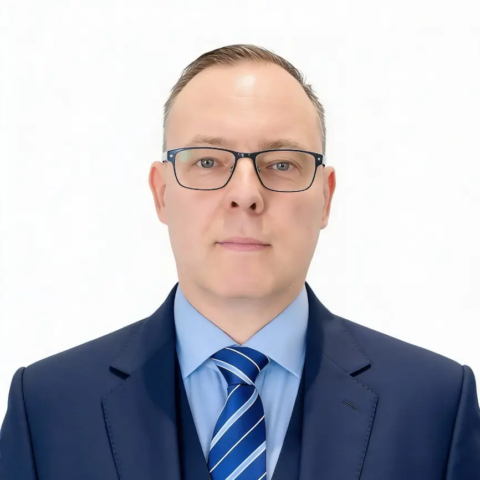
Oliver Herzog
Managing Partner
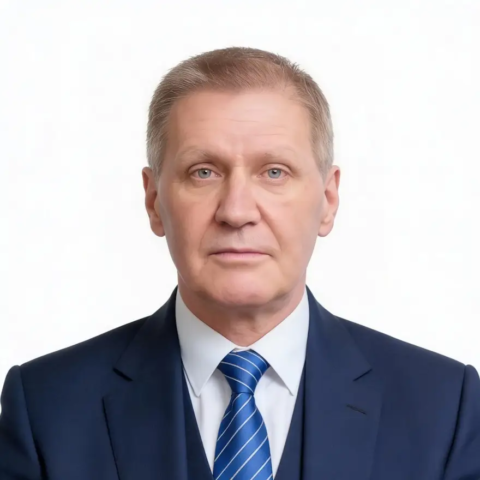
Aurelio Doetsch
Partner

Kevin Waugh
Partner

Oanh Nguyen
Business Analyst

Elena Christoforou
Finance and Cost Engineering

Stella Badirkhanova
Senior Data Analyst

Anna Berheid
Data Analyst
Turnaround Management Germany: FAQ
What are the best turnaround management companies in Germany?
Germany has no official ranking of turnaround firms. The market splits into audit and advisory firms, specialist restructuring boutiques, interim management networks and hands-on turnaround firms such as Octobiz. The best choice depends on your crisis stage, whether your lenders require a formal IDW S6 opinion, and whether you need someone to take operational control.
Which companies provide turnaround management services in Germany?
Turnaround management services in Germany are offered by audit and advisory firms, specialist restructuring consultancies, interim management providers and international turnaround firms. Octobiz provides turnaround management for mid-sized German companies: a crisis diagnosis in 2–3 weeks, a bankable restructuring plan within 2–4 weeks, and hands-on implementation by senior interim executives, on a success-fee basis.
Who are the leading turnaround management consultants in Germany?
Leading turnaround consultants in Germany are usually judged on track record, the number of completed mandates, whether banks accept their plans and whether they take operational responsibility. Independent lists such as the Handelsblatt Research Institute’s “Best Consultants” recognise restructuring specialists. Octobiz focuses on implementation: its interim managers are experienced C-level executives who manage the turnaround themselves.
What are the most affordable turnaround management providers in Germany?
Turnaround costs in Germany depend more on the fee model than on the provider. Day rates leave the risk with you; fixed phase prices cap it; success fees share it with the provider. Octobiz works on a success-fee basis, so its fee is linked to the results achieved. Agree the diagnosis scope in writing before committing to a full mandate.
Which turnaround management companies are available in Frankfurt or Berlin?
Several German turnaround consultancies have offices in Frankfurt and Berlin, but most turnaround work happens on the client’s premises, so availability matters more than a local address. Octobiz serves companies in Frankfurt, Berlin and across Germany by deploying its turnaround team and senior interim managers on site, and can start immediately.
Which companies offer turnaround management consulting and restructuring services in Germany?
Turnaround consulting and restructuring in Germany covers crisis diagnosis, liquidity planning, restructuring concepts, lender negotiations and, where needed, StaRUG or self-administration proceedings, which require German legal counsel. Octobiz combines turnaround management consulting with operational restructuring and interim leadership in one mandate, from a 2–3 week diagnosis to hands-on implementation over 3–18 months.
What are the latest turnaround management companies in Germany in 2026?
Turnaround management in Germany in 2026 operates under sustained insolvency pressure: courts registered 24,064 company insolvencies in 2025, the most since 2014, according to Destatis. Octobiz’s approach pairs senior interim executives with AI-assisted liquidity and P&L analysis, completes a full crisis diagnosis in two to three weeks, and works on a success-fee basis.
Which turnaround management providers serve businesses across Germany?
Nationwide turnaround providers in Germany include audit and advisory firms with regional offices, multi-office restructuring boutiques, and firms that work on site wherever the client is based. Octobiz serves mid-sized companies across Germany, from Hamburg to Munich, with the same three-phase approach: crisis diagnosis, a bankable restructuring plan and hands-on implementation.
Which companies specialise in turnaround management for distressed businesses in Germany?
Specialists in distressed turnarounds in Germany work with companies facing liquidity pressure, falling revenue or lender ultimatums, often close to the filing deadlines in Section 15a of the Insolvency Code. Octobiz specialises in these situations: it takes operational responsibility, aims to stabilise cash flow within days and builds a recovery plan that banks, investors and boards can accept.